

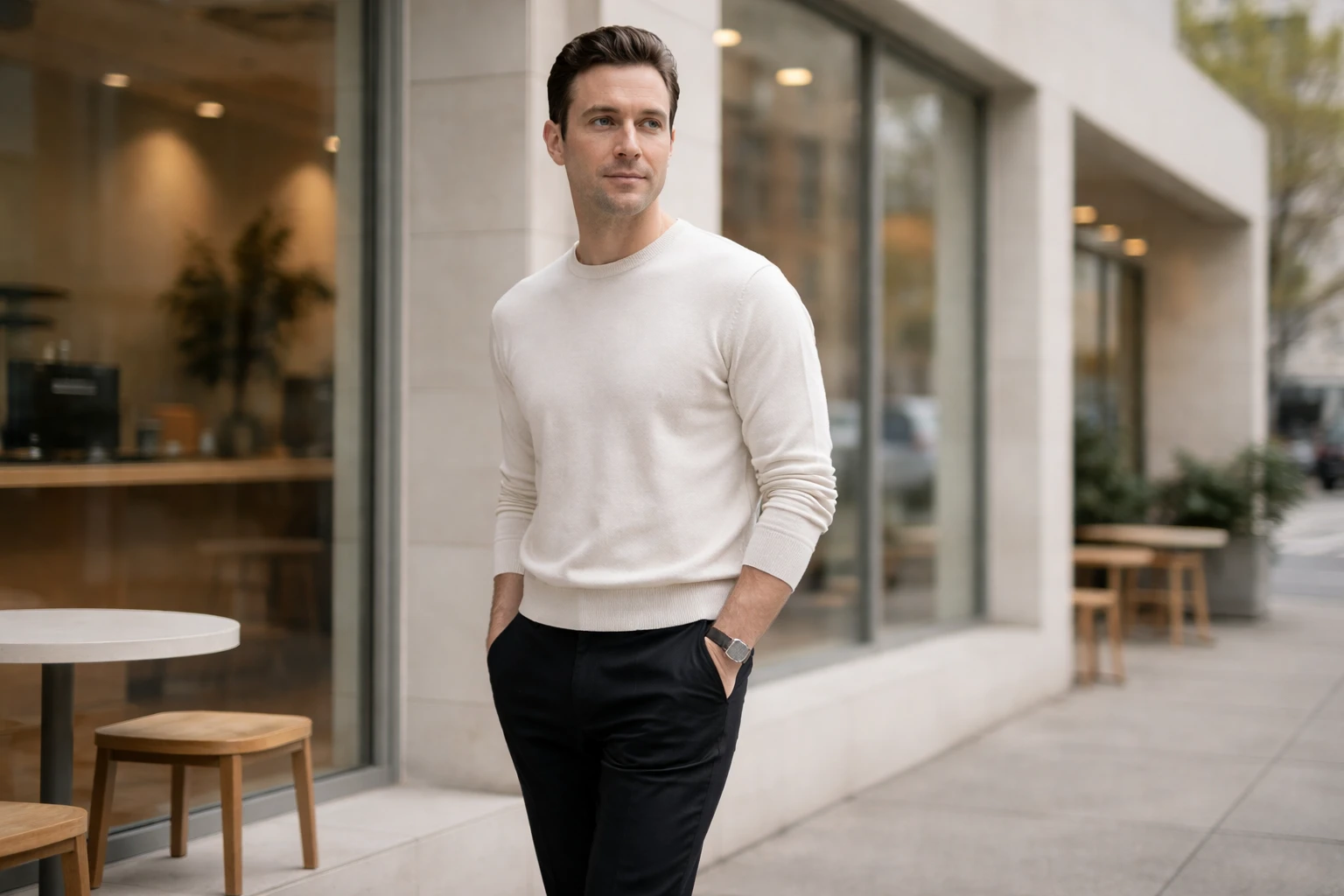
The Psychology Behind Restraint, Ease and Quiet Confidence
Luxury has never truly been about excess. It has been about control. Control over materials, design, time, and attention. Minimalism feels luxurious not because it lacks detail, but because it removes what doesn’t matter. In a world saturated with noise, restraint signals confidence. And confidence, more than decoration, is what people perceive as luxury.
Minimalism is often misunderstood as emptiness or lack of effort. In reality, it is the opposite. Minimalism requires decisions. It demands clarity about what deserves space and what does not. This clarity is what creates a sense of calm, intention, and elevation when people encounter minimalist design.
Luxury Begins Where Noise Ends
Modern life is loud. Visually, mentally, emotionally. Screens compete for attention. Brands compete for recognition. Clothing competes for identity signaling. Against this backdrop, minimalism feels like relief.
When something is quiet, the brain does not have to work as hard to process it. Fewer elements mean fewer decisions. Fewer decisions mean lower cognitive load. Lower cognitive load feels calming, controlled, and intentional.
This is why minimal spaces, objects, and clothing often feel expensive. They give attention back to the person experiencing them.
Minimalism Signals Confidence, Not Absence
Excess is often used to compensate for uncertainty. Loud logos, heavy detailing, and aggressive styling are ways of asking to be noticed. Minimalism does the opposite. It assumes presence without requesting validation.
When clothing is simple, well-fitted, and restrained, the message is subtle but powerful: nothing needs to be proven. The wearer is comfortable being seen without decoration doing the talking.
This confidence is what people interpret as luxury. Not because the garment demands attention, but because it doesn’t need it.
The Role of Space in Perceived Value
In design psychology, space is not empty. Space is intentional. White space in visual design increases perceived quality because it suggests that nothing has been added unnecessarily. The same principle applies to clothing.
Minimalist garments allow space for movement, for posture, for personality. They don’t overwhelm the body. They frame it. This framing creates balance, and balance reads as refinement.
Luxury often feels luxurious because it respects space — physical and mental.
Why Minimalism Feels Calm on the Body
Minimalist clothing is not just visually quiet; it is often physically considerate. Clean lines reduce friction. Thoughtful fits reduce restriction. Neutral palettes reduce sensory stimulation.
The body responds to this simplicity. Movement becomes easier. Attention becomes steadier. The wearer feels composed, not managed by their outfit.
This physical ease reinforces the emotional perception of luxury. When something feels easy to exist in, it feels premium.
Minimalism Ages Better Than Trends
Trends rely on novelty. Minimalism relies on proportion, quality, and balance. This is why minimalist pieces tend to last longer — not just materially, but emotionally.
When clothing is not tied to a specific moment or aesthetic wave, it remains relevant across contexts. It becomes reliable. Reliability is a quiet form of luxury. It removes the anxiety of constant replacement.
People trust what lasts. That trust translates into perceived value.
The Difference Between Cheap Simple and Intentional Minimal
Not all simplicity feels luxurious. Poorly made basics can feel empty rather than elevated. The difference lies in execution.
Luxury minimalism depends on:
- fabric quality
- construction
- fit
- proportion
When these elements are handled with care, simplicity feels deliberate. When they are ignored, simplicity feels unfinished.
True minimalism is not about doing less work. It is about doing the right work.
Why Minimalism Aligns With Modern Confidence
As people grow more comfortable with themselves, they rely less on external signaling. Confidence becomes internal rather than performative. Minimalism fits this shift naturally.
Quiet clothing allows presence to lead. It lets behavior, movement, and tone communicate instead of graphics or logos. This kind of confidence feels mature. It feels settled.
And settled confidence is what people associate with luxury.
Minimalism as a Form of Respect
Minimalist design respects the wearer. It does not overwhelm them. It does not compete with them. It does not ask for constant attention.
Instead, it supports them. It adapts to different environments. It allows the person to move through the world without friction.
This respect is felt, even if it is not consciously articulated. And feeling respected is inherently luxurious.
Where CozyVora Fits In
CozyVora approaches minimalism not as a trend, but as a philosophy. Clean silhouettes, neutral palettes, and thoughtful construction are chosen to reduce noise and increase ease. Comfort is built in, not layered on.
The goal is not to strip clothing down to nothing, but to refine it until only what matters remains. When comfort and restraint work together, clothing feels elevated without effort.
Minimalism, in this sense, becomes wearable luxury — not loud, not performative, but deeply satisfying.
Luxury Without Performance
Luxury does not need to announce itself. The most luxurious experiences often feel calm, controlled, and effortless. Minimalism captures this feeling by removing distraction and allowing clarity to surface.
This is why minimalism feels luxurious. Not because it is empty, but because it is intentional. Not because it lacks detail, but because it values the right details.
In a world that constantly asks for more, choosing less — thoughtfully — feels like the ultimate form of confidence.
Leave a Reply